
Home

Water should be pure and taste good

H2O SOLUTIONS

×

Book a consultation and inspection.

Water Quality, Potability, Well Condition, Pump Components, Plumbing Piping, Fixtures.

These are concerns most home owners worry about and should never be ignored.

If you Buying or Selling a home, most mortgage issuers require a complete inspection of the plumbing and a potability water test report.

Let us know how we can help.

×

Book a consultation and inspection.

Water Quality, Potability, Well Condition, Pump Components, Plumbing Piping, Fixtures.

These are concerns most home owners worry about. If you Buying or Selling a home, most mortgage issuers require a complete inspection of the plumbing and a potability water test.

Cool huh? Ok, enough teasing around..

Go to our W3.CSS Tutorial to learn more!


Water treatment systems are designed to improve water quality by removing contaminants and impurities, making water safe for drinking and other uses. These systems employ various methods like filtration, disinfection, and water softening, tailored to specific needs and budgets.

Here's a more detailed explanation:
Types of Water Treatment Systems:

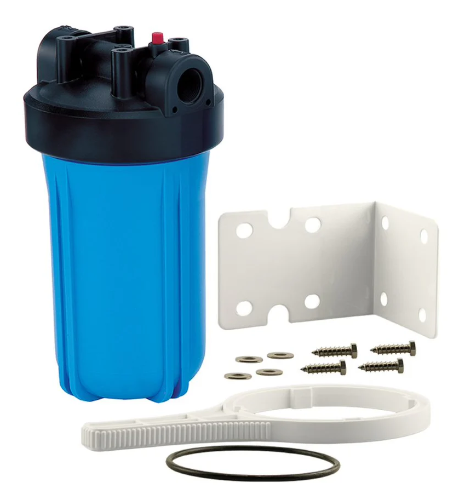
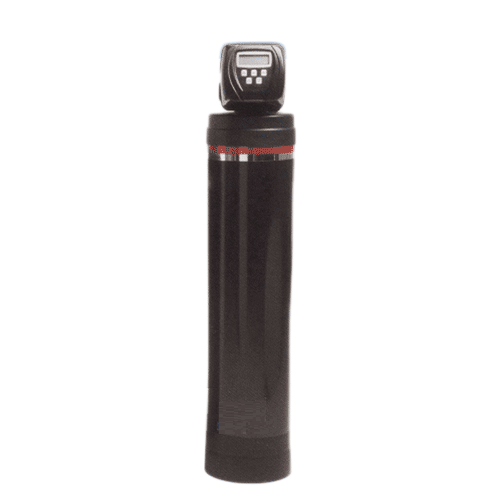
Filters

This method removes suspended solids, sediment, and other particles from water using various media like sand, charcoal, or specialized membranes. There are two main types of filters, Cartridge or Automatic Tank. Cartridge filters use disposible filter cartridges vs Automatic filters require NO cartridges and clean themselves.
Disinfection

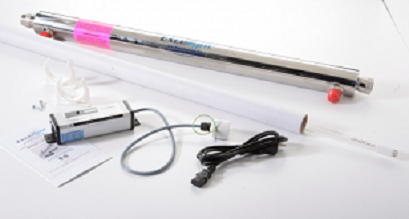
This process kills or inactivates harmful microorganisms like bacteria, viruses, and protozoa, ensuring water safety. Common methods include chlorination, UV light treatment, and ozone disinfection.
Water Softening

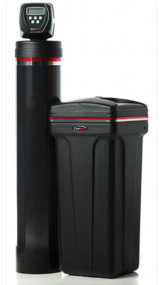
This process removes minerals like calcium and magnesium, which cause hardness and scaling, improving water's usability and taste.
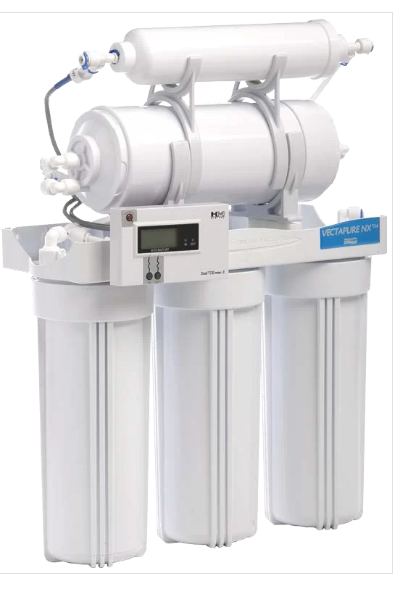
Reverse Osmosis

This advanced filtration method uses pressure to force water through a semi-permeable membrane, removing a wide range of contaminants, including dissolved salts, heavy metals, and some organic compounds.
Distillation

This method involves boiling water and then condensing the resulting steam, leaving behind impurities and resulting in pure water. Mostly used in Commercial or Institutional environments.